


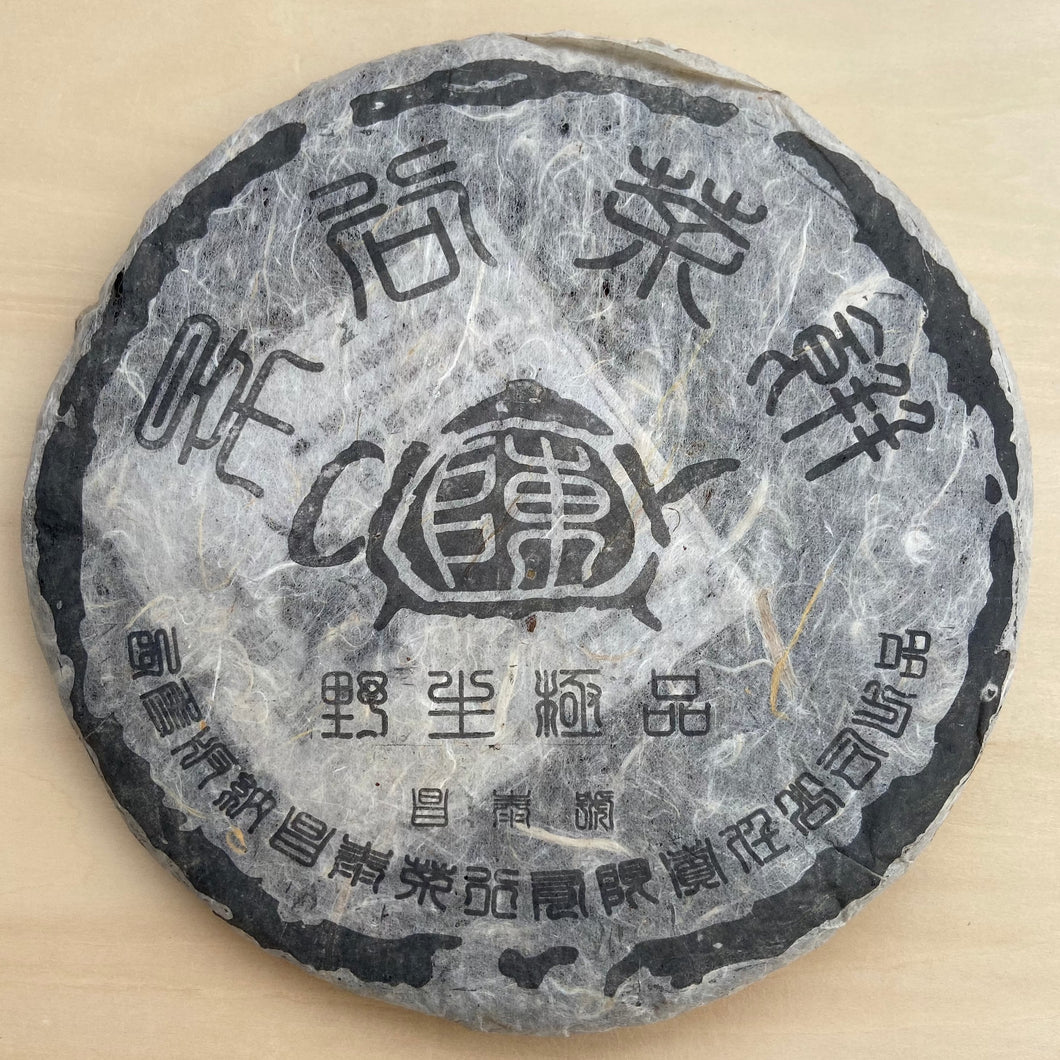
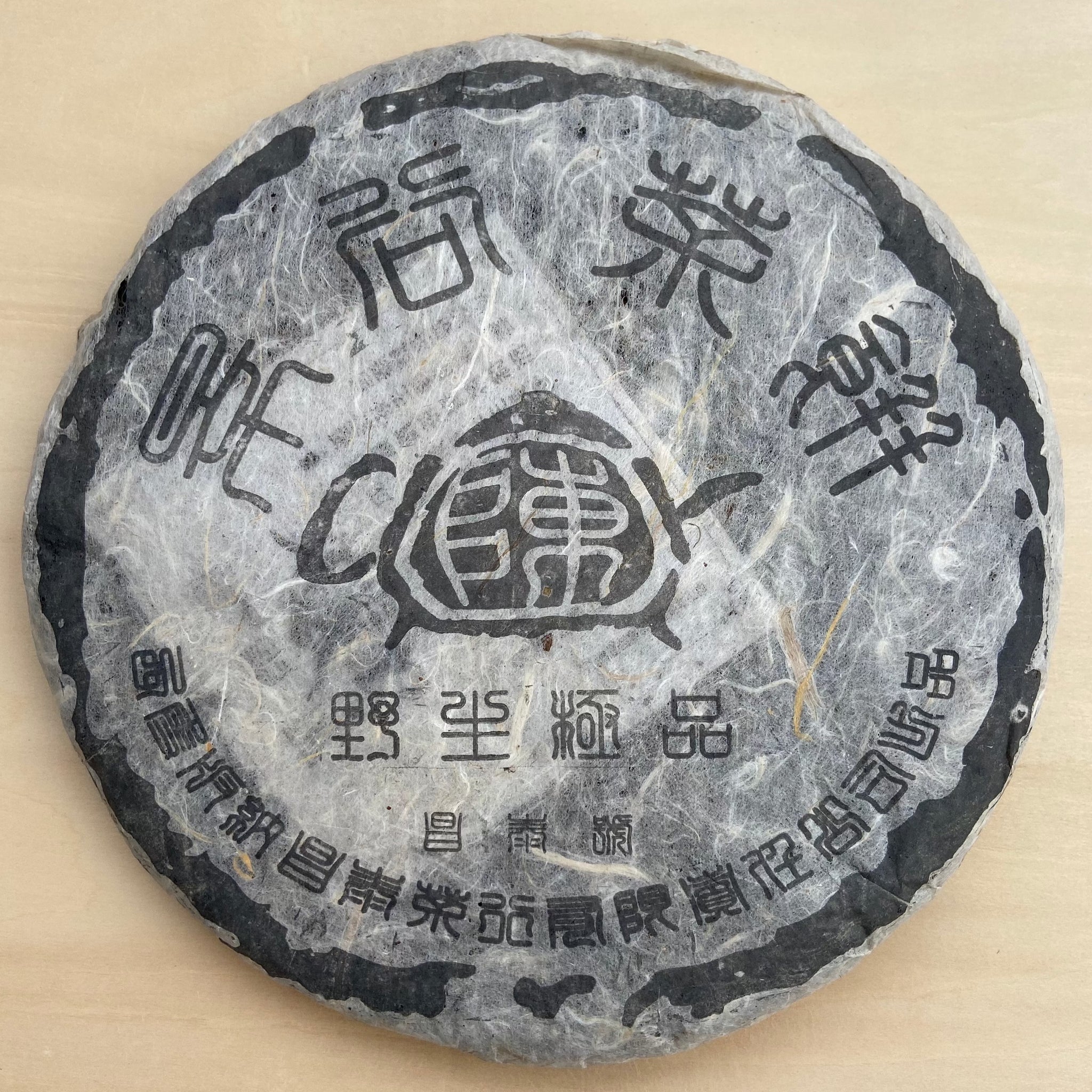

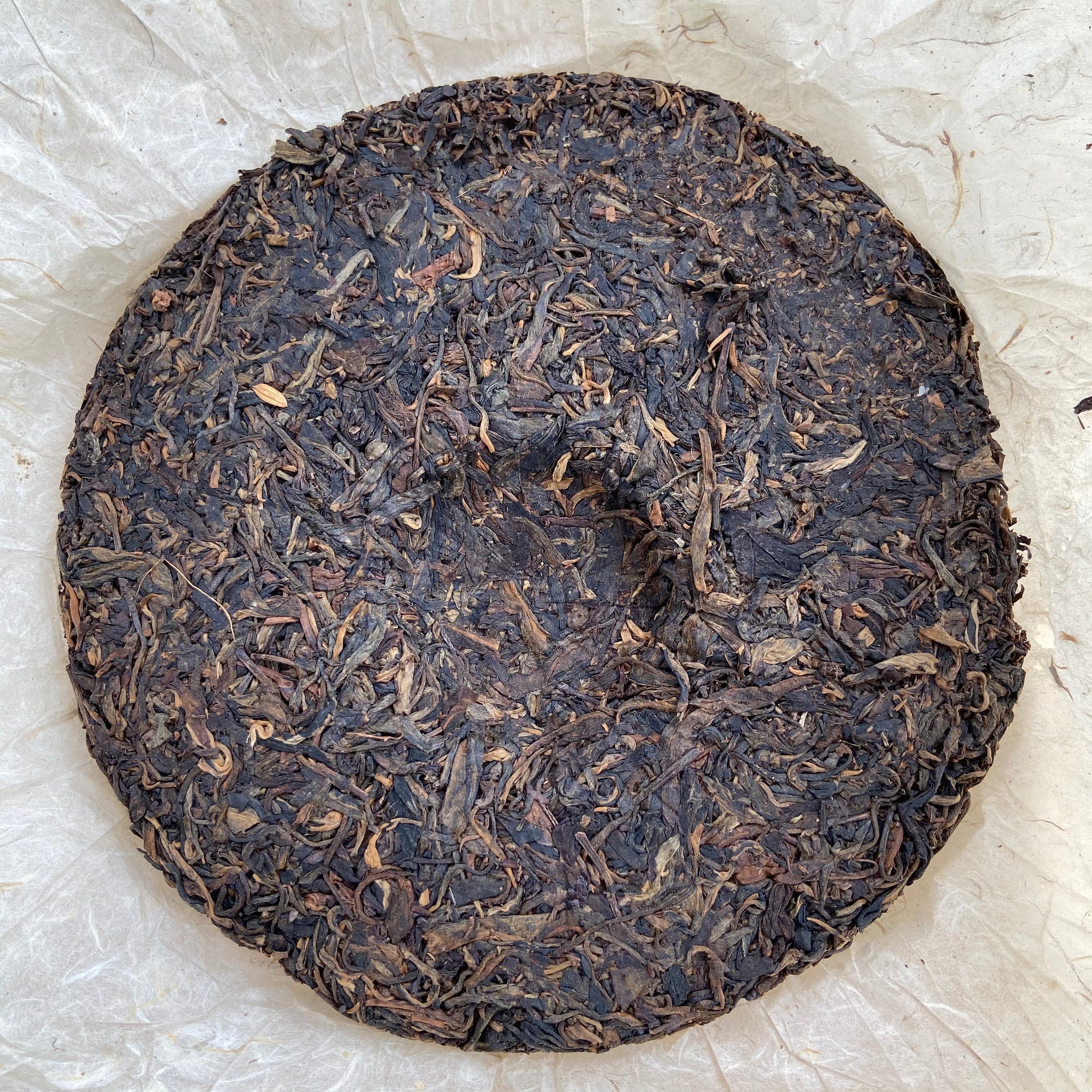


Jing Gu in Pu'er prefecture is known for floral, fruity sweetness and only light bitterness; this tea is made from its leaf. Because the leaf grows wild rather than on plantations, its character is less polished and more individual. After years of natural storage in Guangzhou, Jing Gu sheng like this may show a deeper, more mellow side, though results depend on how it was kept. "Chang Tai Hao - Ye Sheng Ji Pin - Yin Jing Gu" (Wild Premium -Silver Jing Gu) is ChangTai's 2004 sheng (raw) puerh, sold here as a 400g cake.
Tea Profile
At a glance: 2004 · Sheng (raw) puerh · 400g cake · ChangTai Tea Factory
- Compression & dry leaf: The leaf is compressed into a 400g cake.
- Liquor: The liquor is typically amber to orange-amber for sheng of this age.
- Taste: With age, a sheng like this may develop a rounder, more mellow character, depending on storage.
- Mouthfeel & body: An older sheng like this may feel softer and rounder in the mouth than a young one.
- Aftertaste: Some hui gan, the sweetness that returns after swallowing, is usual for sheng like this.
- Best for: improving your tea experience. Brew it attentively and follow how it changes; a natural step up for a beginner who wants to go further.
Brewing Guide
Water: fully boiling, 100°C (212°F).
- Warm the pot and cups, then add about 5g of leaf per 100ml.
- Rinse the leaves once with boiling water and let them rest, covered, for about 10 minutes.
- Steep the first rounds for 10–15 seconds, adding about 5 seconds with each round.
- Pour every steep into a fairness pitcher before serving.
- Serve. Sheng puerh resteeps well for many rounds.
Treat these as starting points rather than fixed rules. Try high or low pours, fast or slow, and brew in different seasons to find the method that suits you. Brewing the same tea well in any year, season, weather or place takes practice, and that skill is the real goal.
Storage
Keep the tea ventilated, cool and dry, away from sunlight and strong odors (kitchen spices, smoke). For long-term aging, paper or clay containers breathe better than sealed plastic.
A Note on Appearance
Not every cake shows these, but they can occur, especially in teas with more years of storage.
- Small dark specks: tiny dark specks may appear on the wrapper or tea edges of naturally stored puerh. They are harmless and can be brushed off before brewing.
- Tea oil spots: yellowish spots may appear and can come from natural tea oils. They are not a flaw.
- Torn wrapper: small tears or holes in the cotton paper may happen during storage and handling. The tea inside is unaffected.
